Dangerous goods · Canada · Shipment coordination
Rerouting dangerous goods during Canadian port disruption
A Class 6.1 shipment to Canada faced a strike-related routing change, repeated space shortages and vessel changes. Starting with receipt at Huangpu and the feeder connection to Hong Kong, we coordinated rebooking, revised DG documents and transshipment charges through Hong Kong loading on the Prince Rupert route and delivery of the telex-release bill of lading.
November–December 2024

- Shipment size
- 400 drums · 21.38 tonnes gross
- Equipment
- 1 × 20GP
- Dangerous goods
- UN 1558 · Class 6.1
Revised transport plan
Huangpu
Receipt · Feeder connection
Hong Kong
Ocean loading · POL
Prince Rupert
Canadian discharge port
Montreal
Planned onward rail leg
The customer needed a workable shipping plan.
In November 2024, a shipment of 400 drums of industrial raw material was arranged for receipt at Huangpu, with a feeder connection to Hong Kong and onward transport to Canada. Classified as UN 1558, Class 6.1 dangerous goods, the cargo occupied one 20GP container. The original plan ran via Vancouver to Montreal. Space had been released when Canadian port strikes prompted the customer to request a different route.
The customer considered transit through the United States and an alternative via Canada's east coast. We followed up the rebooking and document requirements for a Halifax option. The customer then confirmed discharge at Prince Rupert, with planned onward rail transport to Montreal, and our team proceeded with the revised booking.
How we moved the shipment forward
Rework the booking and DG documents together.
The carrier required a fresh booking and resubmission of the dangerous-goods documents. We updated the booking reference, vessel and voyage details, and DG form. We also obtained the precise cargo name, intended use and HS code from the customer to answer the carrier's review questions.
The Prince Rupert option then encountered repeated space shortages. With the customer's agreement, we continued applying for later sailings, updating the documents and following up space release as each voyage changed. Routing, space and DG paperwork were handled together at every revision.
Catch a routing mismatch introduced by a vessel change.
In December, a carrier vessel change also changed the discharge port to Vancouver, which no longer matched the customer's confirmed Prince Rupert route. We identified the discrepancy, requested correction and followed up the revised sailing and booking documents.
The carrier subsequently confirmed that the earlier shipping order contained incorrect information and could not be used. A new application was required. We continued following up until a fresh booking release arrived on 11 December, then used the updated arrangements to coordinate operations at Huangpu.
Clarify transshipment costs before arranging the feeder.
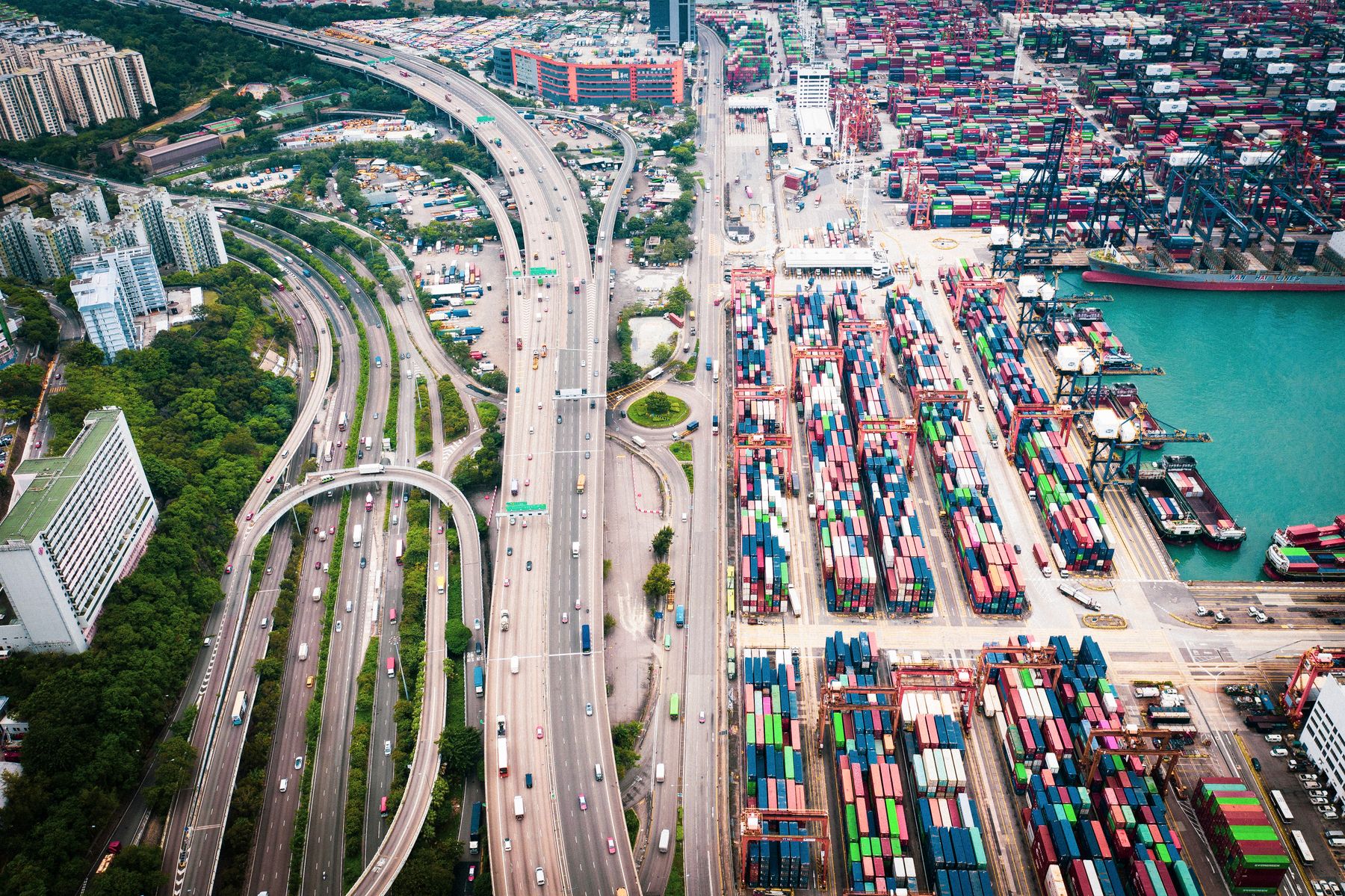
The shipment's place of receipt was Huangpu. A feeder from Huangpu Jisi terminal had to connect with the ocean vessel in Hong Kong. With the ocean sailing delayed and the customer seeking an early feeder, the interval between the two legs could exceed Hong Kong's free storage period.
We confirmed seven free days at Hong Kong for this shipment and requested the charges for a longer stay. When the published tariff differed from an earlier reply, we asked the carrier to confirm the applicable basis and put the potential charges to the customer for agreement.
After the customer accepted the cost arrangement, we followed up with the carrier to instruct the feeder operator, coordinating a Huangpu feeder plan with a 13 December cutoff. Transshipment storage charges were subsequently incurred; we continued providing the billing and charge details so the customer could follow both the arrangements and the cost.
Follow through to ocean loading and document handover.
With the revised route in place, we continued coordinating the final DG form, feeder loading information, VGM and shipping instructions. We also updated the bill of lading's place of receipt to Huangpu, keeping receipt at Huangpu, loading at Hong Kong, discharge at Prince Rupert and the Montreal destination aligned.
On 26 December, the cargo was loaded in Hong Kong on COSCO JEDDAH 084N for the Prince Rupert route. On 27 December, our team provided the customer with the telex-release bill of lading, completing this stage of shipment and document coordination.
Outcome
From a routing change to cargo on board.
Confirmed routing
A fresh booking release on the customer's Prince Rupert route, with the discharge-port mismatch corrected.
Connected origin operations
Coordination from receipt at Huangpu to loading in Hong Kong, covering the feeder plan, DG documents and transshipment charges.
Completed document handover
Loaded in Hong Kong on 26 December; telex-release bill of lading provided on 27 December.
When plans change, someone needs to keep the details connected.
Port strikes, space shortages and vessel changes can alter a previously workable plan. For dangerous goods, a routing change also means rechecking the booking, review documents, feeder timing and transshipment costs.
This shipment illustrates how we work: respond to the customer's requirements, check each change against the agreed route, clarify charges before coordinating execution, and follow through to loading and document handover. The customer stays informed about the route and the next action.
Facing a last-minute change to a DG export?
Share the place of receipt, destination, UN number, DG class and expected cargo-ready date with us. We can help work through routing options, booking documents, origin connections and transshipment charges to put the shipping arrangements in place.