Dangerous goods · Feeder coordination
Changing the feeder plan for a June departure.
A New York-bound dangerous-goods shipment faced a tight feeder connection from Nansha via Hong Kong. We escalated the customer’s concern, secured the carrier’s confirmation of a provider change and followed through on the documents before the main vessel departed in June.
4 MIN READ
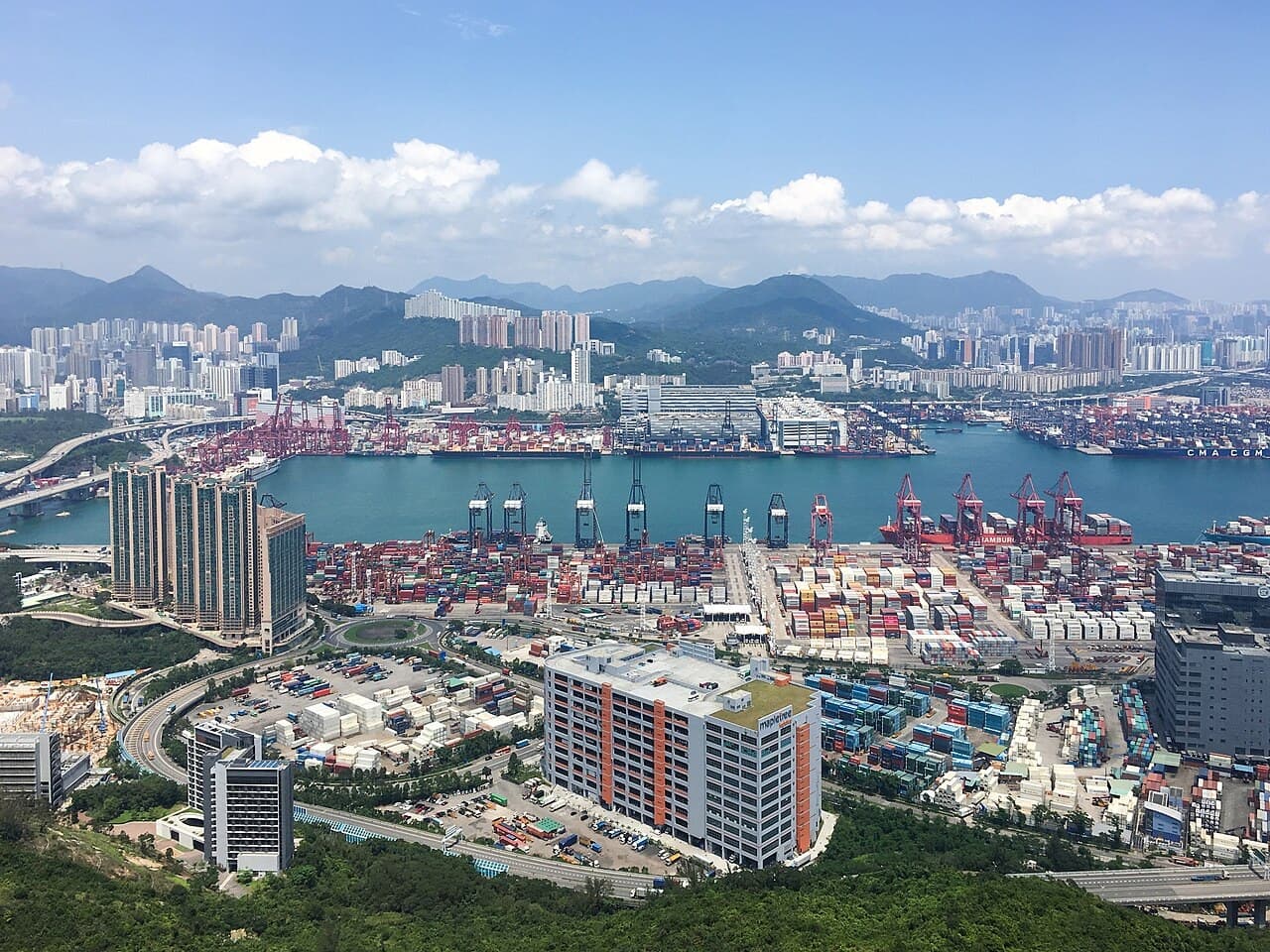
Photo: ystsoi

- Origin / main-vessel POL
- Nansha → Hong Kong
- Port of discharge · POD
- New York, US
- Equipment / cargo
- 1 × 40GP · Class 6.1 dangerous goods
A released booking still needed a workable connection.
The customer wanted this shipment to leave in June. The plan was to move a 40-foot container of Class 6.1 dangerous goods from Nansha by feeder, connect with the main vessel at Hong Kong and sail to New York.
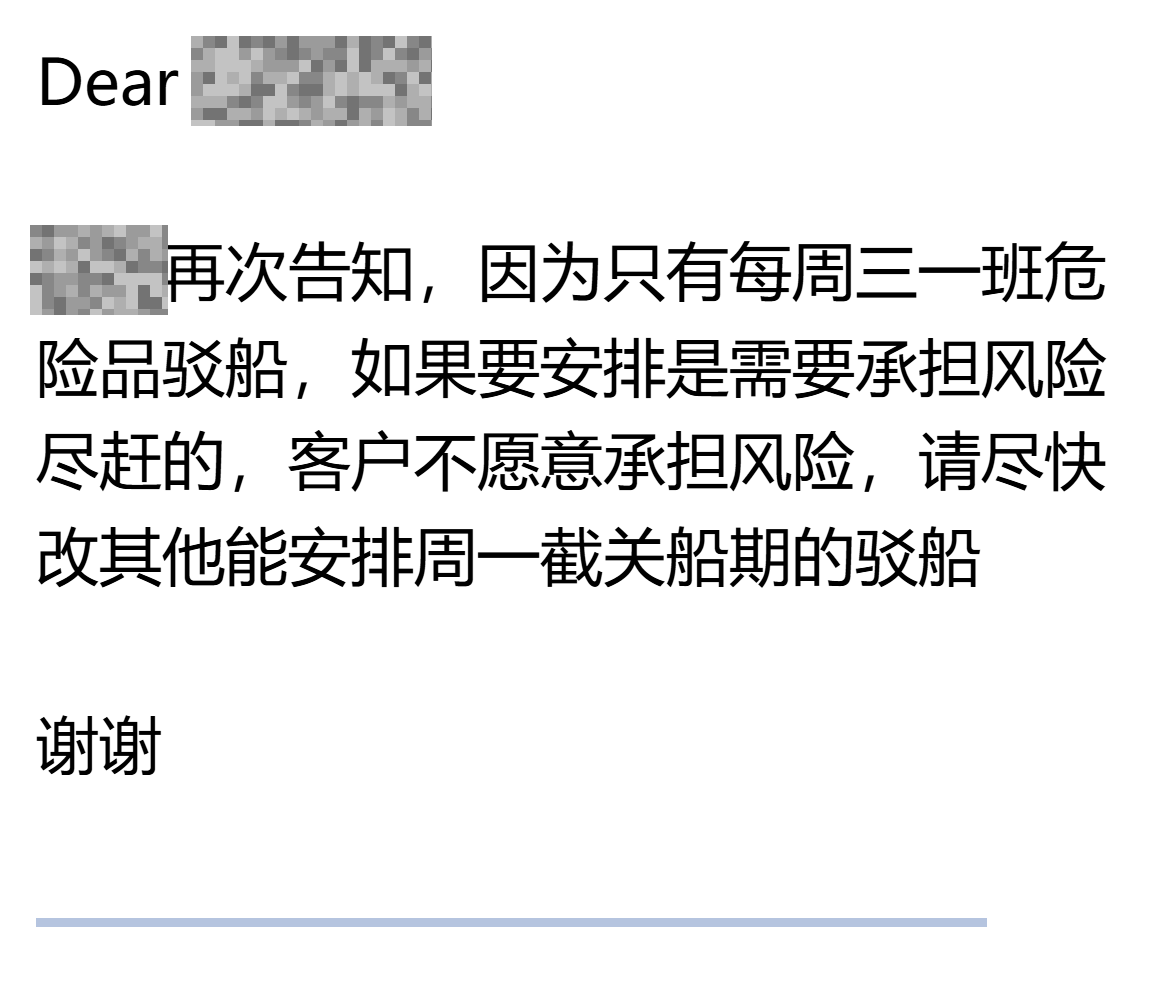
After the carrier released the booking, it instructed us to coordinate the feeder separately. The schedule exchanges revealed a problem: the assigned dangerous-goods feeder ran only on Wednesdays, and making the main-vessel connection would involve a rush and a risk of missing it. The customer did not want to take that risk.
Change the arrangement, then follow through on the details.
Turn the connection concern into a confirmed provider change.
We challenged the assigned feeder timing and asked for written confirmation of the schedule risk to support a change request to the ocean carrier. We also checked alternative feeder arrangements, rather than treating the released booking as the end of the scheduling work.
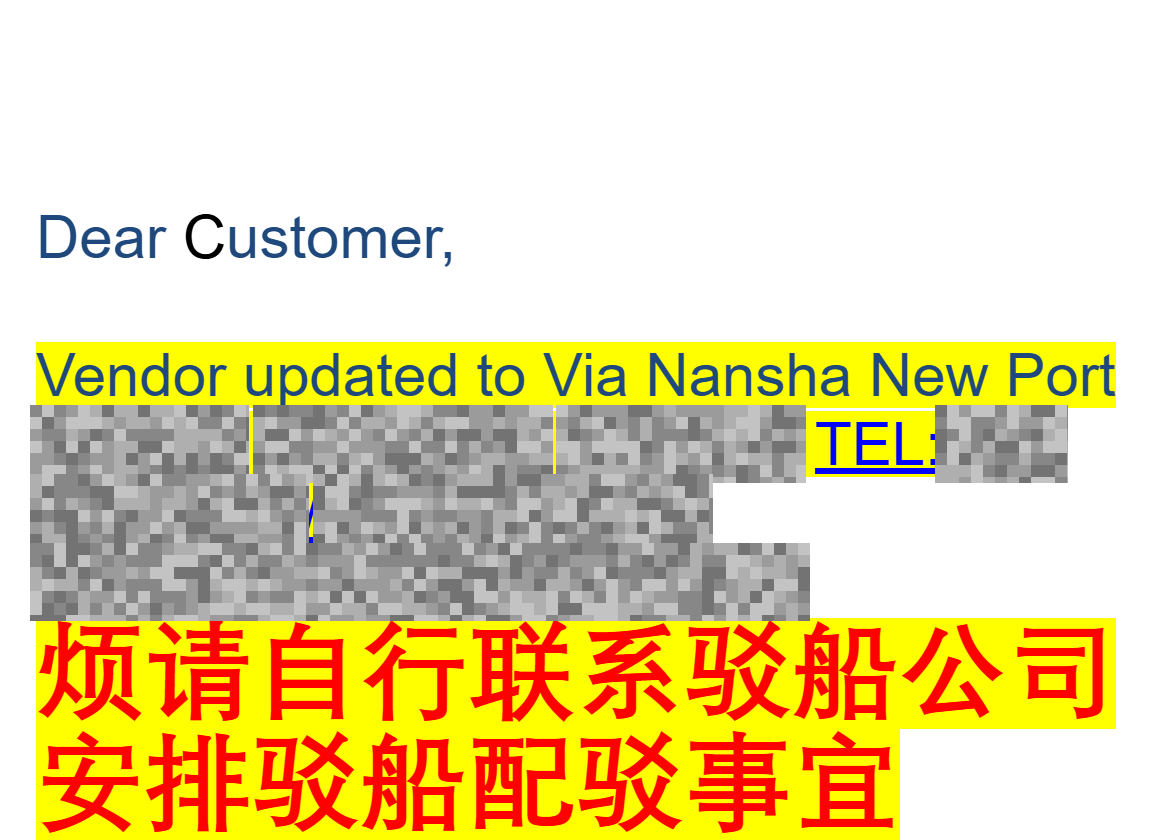
We told the carrier that the customer would not accept the risk and requested another feeder arrangement with a Monday documentation cutoff. The carrier then confirmed that the feeder provider had been updated. We passed the new provider’s details to the customer and asked it to coordinate the feeder booking and raise any further problems promptly.
The change request and carrier response
We relay the customer’s decision and ask the carrier to change the feeder arrangement.
The carrier confirms the provider update and asks us to contact the feeder company to arrange the connection.
Follow through on the packing certificate and feeder fields.
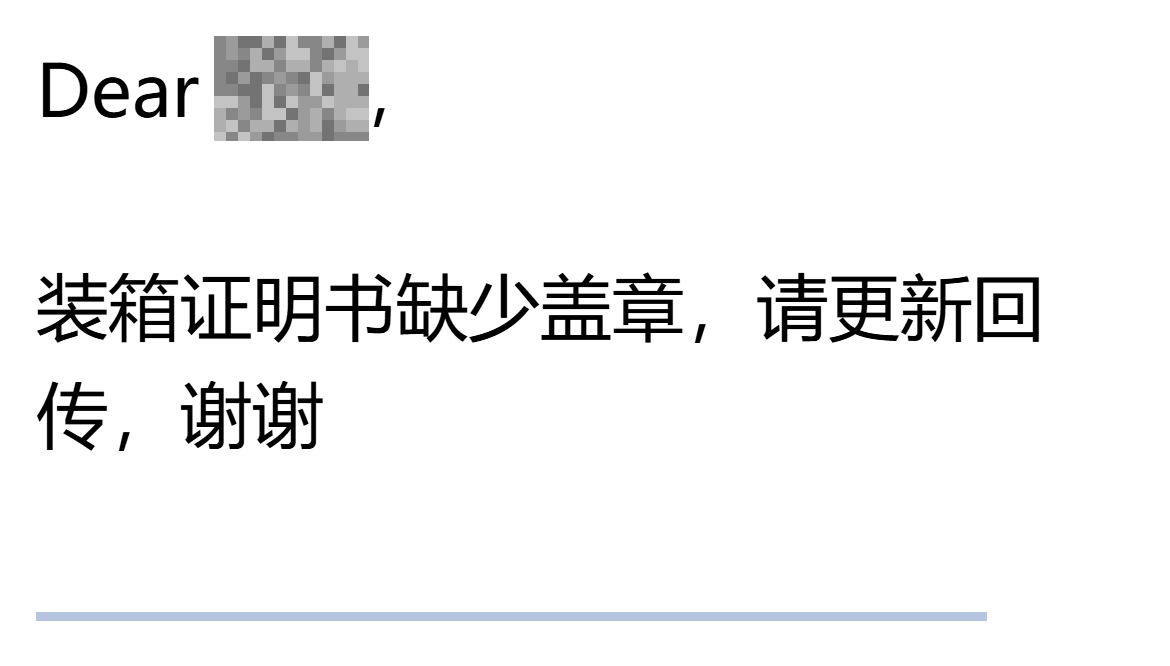
Changing the provider was only one part of getting the shipment ready. During the subsequent document follow-up, we found that the container packing certificate needed a stamp and asked the customer to return an updated copy. The customer then returned the document, identifying it as the stamped version.
The carrier also queried the feeder vessel details on the final dangerous-goods declaration, including the English vessel name. We obtained the updated information and sent the revised vessel and voyage fields back. The carrier’s separate electronic acknowledgement accepted the submitted verified gross mass (VGM).
Document follow-up
We ask the customer to return the container packing certificate with the missing stamp.
We send the updated feeder vessel and voyage information to the carrier.
From connection risk to departure · June 2026
After booking release
Provider changed
Our request is followed by the carrier’s confirmation of the revised provider.
Document follow-up
Fields updated
Packing and feeder details are followed up; VGM is accepted.
Main-vessel sailing
Departure confirmed
The bill records loading; the carrier’s notice separately confirms departure.
The carrier’s loading record
Receipt and on-board fields · June 2026.
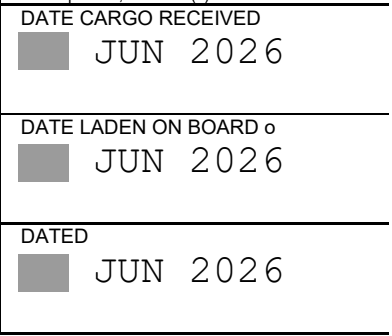
Departed Hong Kong within the requested month.
The carrier’s final bill of lading recorded loading at Hong Kong in June 2026, and its departure notice confirmed the main vessel’s actual departure for New York. Departure was one day later than the original booking plan, but remained within the customer’s requested month. The carrier also issued a storage-charge invoice during the shipment.
Our contribution was to turn the customer’s concern about the connection into a carrier-confirmed provider change, then follow through on the packing and feeder documents. This coordination connected the revised feeder arrangement with the document follow-up needed to progress the customer’s June shipping plan.