Freight Notes 01 / After delivery
Unloaded in two hours. Why are the bills still coming?
The warehouse has finished unloading. The container and chassis still have a journey to complete. A clear handoff helps you understand the bills that follow.
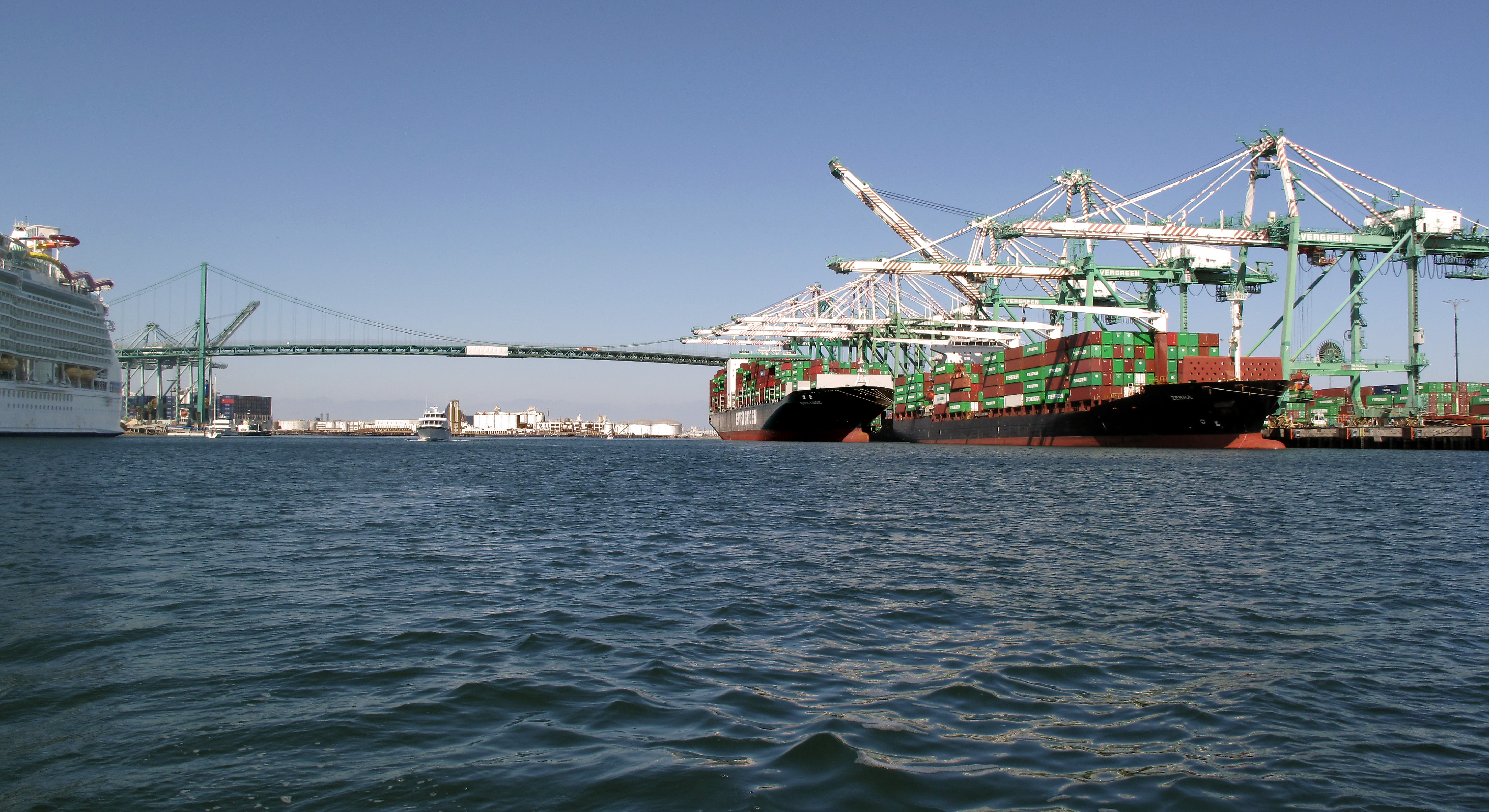
Two hours to empty a container.
That was an importer’s account in a 2021 public post. The shipment ran from Shanghai to Los Angeles, with a live unload intended to let the driver return the empty quickly. Chassis and empty-yard charges followed. The explanation supplied was that no return location had been available. The poster later said they paid the bill. Original account and follow-up
Two details remain unresolved: delivery was described as early November, while charges began in October; later chassis rates differed from the posted quotation. The underlying invoices, payment and settlement have not been independently verified, so the account cannot establish who owed what. Posted terms
It does raise a useful question for any importer: after unloading, who is still following that empty container?
01Unloading gets you this far
Driver waiting time, container use, chassis rental and yard occupancy can measure different things.
The poster’s terms listed two hours of free waiting separately from chassis and yard charges. A smooth unload does not, by itself, establish when those later charges end.

CARGO RECEIVED → EQUIPMENT CLOSED OUT
The handoffs after unloading
Imagine a dropped container emptied on Monday morning. The warehouse marks the order received, but the transport contact only gets the empty-ready notice on Tuesday. On Wednesday, the update says no return appointment is available.
There are two periods to check: when the notice reached the right party, and what blocked the return afterward. “Finished” in the warehouse system needs to become “received” by the next person. Earlier notice would not necessarily have secured an earlier return.
02One empty container. Three separate charge checks.
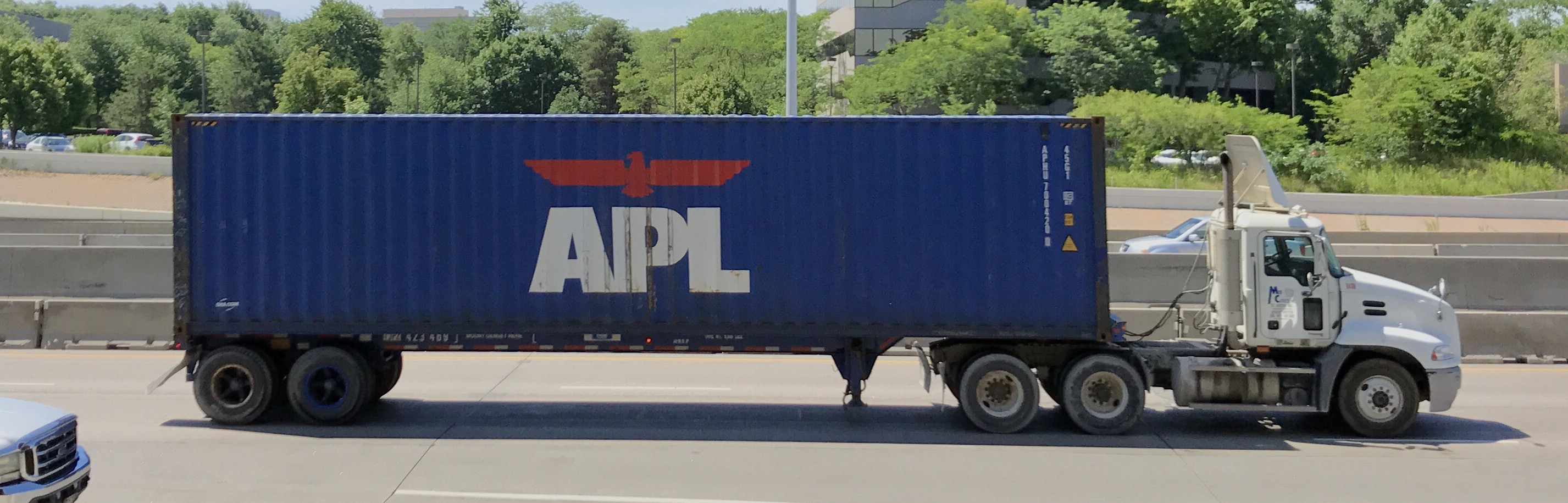
Ask each billing party: what does this charge cover, and what event stops it?

IDENTIFY THE EQUIPMENT OR SERVICE FIRST
Three charges. Check each endpoint.
For example, Maersk’s U.S. import guidance describes empty gate-in at an agreed facility as an endpoint, alongside a designated website notification mechanism for store-door moves. Confirm which arrangement applies. An email to your contact may not complete the required notification. Maersk guidance
Check the chassis separately, too. TRAC’s public FAQ points to return provisions by pool and operating area. When the container is back, obtain the evidence that ends the chassis rental for your arrangement. TRAC FAQ
03“We can’t return it.” What happens next?
Start with one question: was there no suitable slot, did booking fail, or was a confirmed appointment unusable because no truck could be dispatched?
Each calls for a different follow-up. Have the operating party record the check time, target return window and actual result, and confirm the return location with the shipping line. APM Pier 400’s guidance likewise requires empty appointments and directs dray carriers to the line for accurate return locations. APM guidance
If your coordinator proposes another yard or return location, your decision becomes:
Which continuing charge is this extra move expected to end?
Waiting means knowing what keeps accumulating each day. Temporary storage means including trucking, handling and the later pickup; acceptance there does not establish a completed final return. An alternative return location needs confirmed acceptance of this container, a valid instruction, an appointment where required and an available truck.
Compare confirmed feasible options over the same period, recording expected completion times, one-time costs and continuing daily charges. If timing is uncertain, ask: what would one more day add? Keep unconfirmed fee relief separate.
04Three actions for your next delivery
- Name the contacts. Who receives the empty-ready notice, who tracks the return and who approves extra costs?
- Complete the handoff. Use the required notification channel, keep the acknowledgment and agree on the next update.
- Close each charge. Obtain the applicable container, chassis and yard records. Keep returned equipment, pending invoices and disputed items visible separately.
Put those three actions in your delivery instructions. When it is time to act, use the per-container checklist and message templates to record contacts, costs and invoice differences.
Photos: Downtowngal · CartleR255 / CC BY-SA 4.0

