TPT WEEKLY
Transpacific rates ease ahead of Golden Week. What supports them next?
2026 W39 · September 21–27 TPT WEEKLY · Nick Information as of September 27, 2026, Beijing time
China–US freight rates edged lower ahead of Golden Week. The September 24 SCFI release showed small declines on both US coast routes, while a freight forwarder's weekly update still reported rolled bookings, cancellations and missed terminal receiving windows.
Lower rates have not removed the difficulty of getting cargo onto the intended sailing. Meanwhile, Treasury Secretary Scott Bessent's comments on extending the US–China trade truce could give importers more room to reconsider shipments brought forward around a policy deadline. Clearing cargo before the holiday and generating enough new bookings afterwards are separate tests.
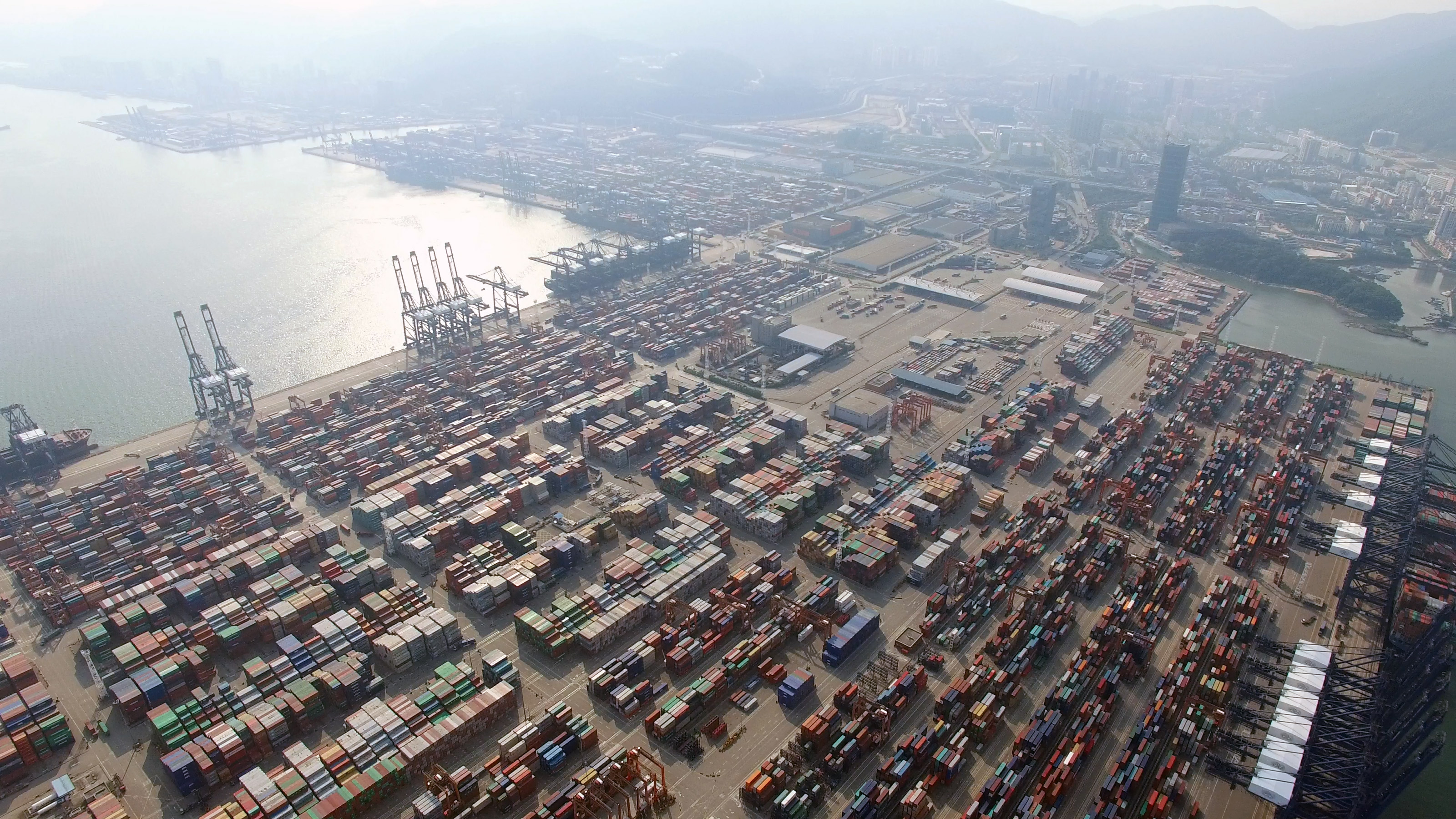
Rates soften while sailing schedules remain a constraint
The latest SCFI release was on September 24, following September 18. The US West Coast base-port benchmark fell USD 97 to USD 7,463/FEU. The US East Coast benchmark declined USD 82 to USD 10,497/FEU.
Scroll across to compare all columns
| SCFI route | September 18 | September 24 | Weekly change |
|---|---|---|---|
| US West Coast base ports | 7,560 | 7,463 | -1.28% |
| US East Coast base ports | 10,579 | 10,497 | -0.78% |
Unit: USD/FEU, per 40-foot container. Weekly changes are calculated from the two observations. Sources: Shanghai Shipping Exchange SCFI, Liberty Times, September 24, Anue, September 18.
The West Coast decline was slightly larger, while the East Coast remained above USD 10,000/FEU. Both routes reversed the previous week's gains, but one modest weekly fall is insufficient to establish a sustained downtrend. SCFI measures publicly reported spot rates from Shanghai to base ports. Actual booking prices vary with the Chinese origin port, sailing, included charges and available space.
In its September 24 update, Freight Right reported carriers postponing cargo or cancelling bookings because of space and weight restrictions. Early or late vessel arrivals also caused some loaded containers to miss terminal receiving windows. Discounted space was available in limited quantities. These are observations from that forwarder's business, rather than a measure of trade-wide vessel utilisation. Freight Right, September 24
When schedules keep shifting, nominal space may not be usable in time. A small reduction in ocean freight can be offset by storage, extra trucking or delayed delivery after a missed sailing.
A stronger sign of easing would be lower prices accompanied by space that can be booked and loaded consistently. This week's rate decline can coexist with operational constraints.
Golden Week narrows the window for connecting cargo
China's Mid-Autumn Festival holiday runs from September 25 to 27, followed by the National Day holiday from October 1 to 7. Only three regular working days, September 28–30, separate them. Factories, truckers, feeder operators and terminals have their own arrangements; the holiday calendar does not indicate a universal port shutdown. State Council holiday notice
Hapag-Lloyd's September 22 China notice adjusts empty-container pickup arrangements ahead of the holiday for relevant sailings with FCL cutoffs between September 28 and October 11. It also identifies suspensions affecting some South China feeder services from late September into early October. Port, equipment and date coverage follow the notice's detailed schedules. Hapag-Lloyd, September 22
For cargo moving through South China feeder ports to connect with ocean services at Hong Kong, Shekou, Yantian or Nansha, mainline space is only part of the booking. A missed feeder connection can still prevent departure before the holiday. Direct mainline loading and feeder routings face different constraints, leaving some origins able to accept cargo while other routings offer little room for adjustment.
Recovery from earlier typhoon disruption also matters within this window. In a September 18 advisory, Maersk reported improving port performance and vessel flows, with staged measures to manage cargo movements. Whether that recovery continues, and how quickly waiting cargo clears, will affect the space left for new cargo on holiday sailings. Maersk, September 18
Backlogged cargo can occupy later sailings, but each shipment moves only once. Even if some holiday sailings remain full, that would not establish sustained strength in new bookings after the break.
There are also specific blank-sailing plans. Maersk's August 28 Golden Week notice lists the eastbound TP12 / 641E voyage, with a scheduled Ningbo departure on October 9, as a blank sailing. Alternative sailings are to make additional calls to preserve port coverage. This is an earlier plan approaching its operating window. The net reduction in available space still depends on the replacement schedules. Maersk Golden Week advisory
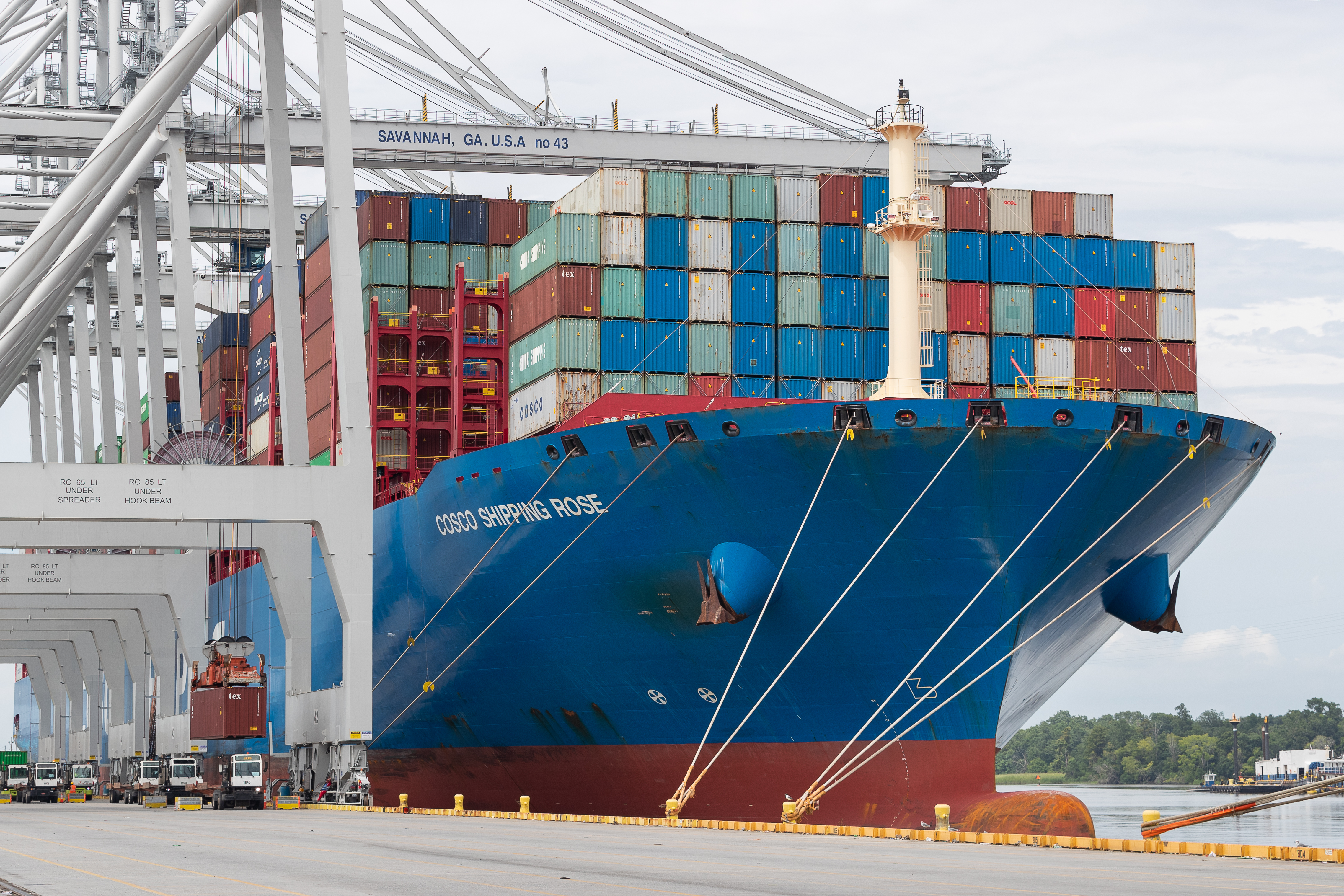
A longer trade truce could change shipment timing
On September 23, US Treasury Secretary Scott Bessent said the US and China had agreed to extend their trade truce, previously due to expire on November 10, to January 10, 2027. He said the additional time would allow further discussions on economic arrangements. Reuters, September 23, NBC, September 23
The immediate implication for transpacific cargo may be a change in timing. Importers that used the November deadline as a reason to bring inventory forward could have more flexibility to redistribute shipments across later sailings. Cargo that might have clustered within the same few weeks may no longer need to move together.
Reduced policy uncertainty could also support further ordering. These effects can coexist: procurement becomes easier to plan while the near-term incentive to rush cargo weakens. Seasonal sales, inventory replenishment and delivery commitments still set practical deadlines, and shipments already arranged may stay on their original schedule.
Bessent's statement does not establish a new general tariff reduction or explain this week's SCFI decline. Any effect on new export bookings from China will emerge over subsequent sailings.
Arrival data operates on a different timeline. On September 25, the Port of New York and New Jersey reported 404,080 TEU of imports in August, down 2.9% year on year. These were shipments from all overseas origins that had already departed. Procurement, production and ocean transit separate that August arrival figure from new bookings in China after Golden Week. Port Authority of New York and New Jersey, September 25
Over the next one to three weeks, the holiday rush and schedule disruption could keep some sailings tight. After the break, demand for new bookings will matter more. If discounted space becomes consistently bookable, rolled cargo declines and restored schedules are not matched by fresh volume, this week's modest rate fall would be more likely to continue. Backlogs and blank sailings could instead keep usable space constrained and hold rates at elevated levels for a while.
The mix of backlogged cargo and new shipments in early-to-mid-October bookings will help determine how much longer these rate levels can hold.
For market reference only. This article is not a freight quotation or legal, tax or customs advice. Actual rates, space and policy applicability are subject to quotations, carrier notices and the latest official requirements.
Photo credits: Yantian (2015), Gigel.atat / Wikimedia Commons, CC BY-SA 4.0. Savannah (2021), Jerry Glaser / CBP, public domain.
Back to Insights
